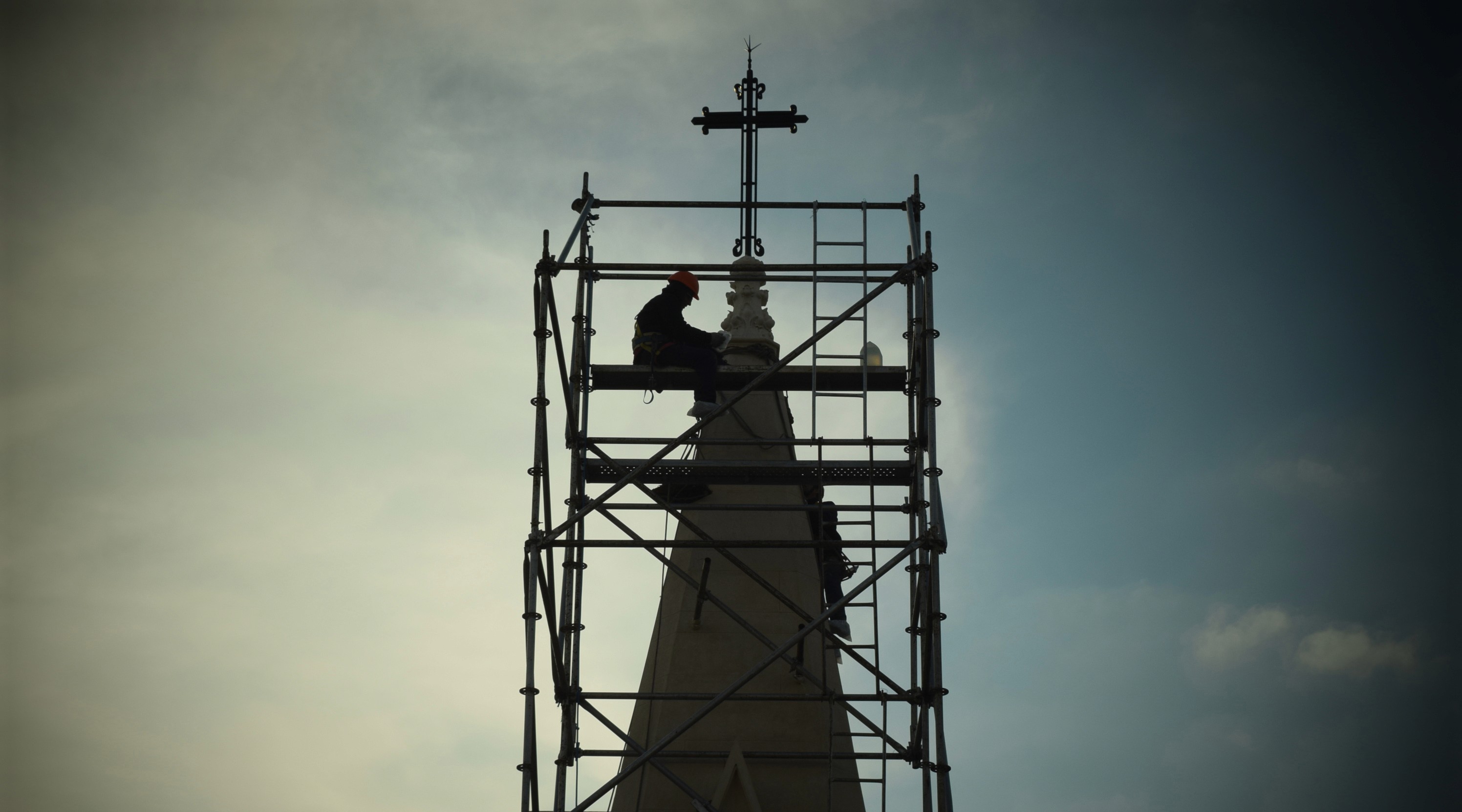
OBELISCO DE BUENOS AIRES
Set at the heart of Buenos Aires’ most iconic urban landmark, this project focuses on developing a precise heritage survey and technical support framework for the conservation of the Obelisk — a national symbol exposed to constant environmental stress, heavy traffic pollution, and large-scale public activity.
PROJECT OVERVIEW
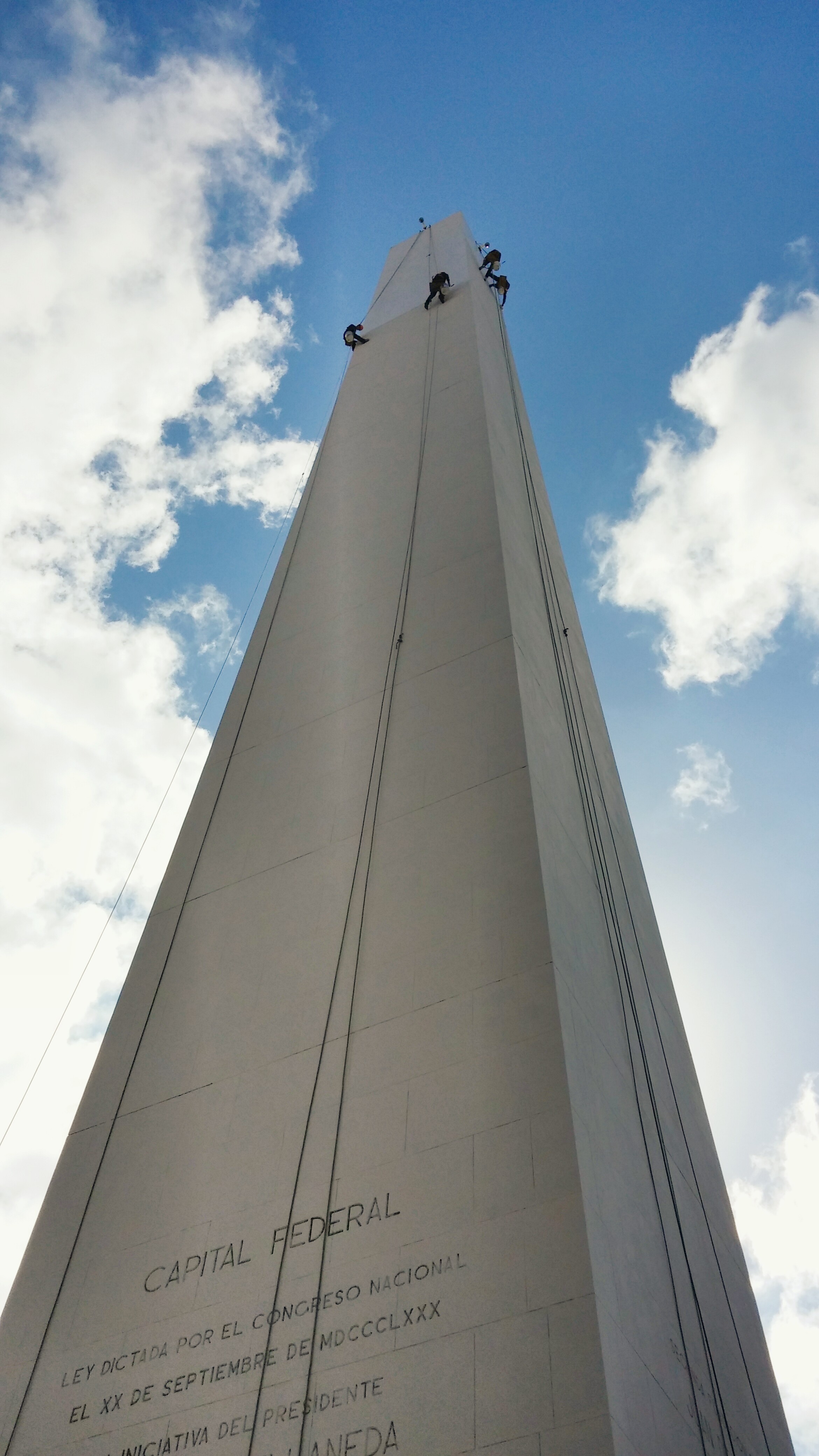
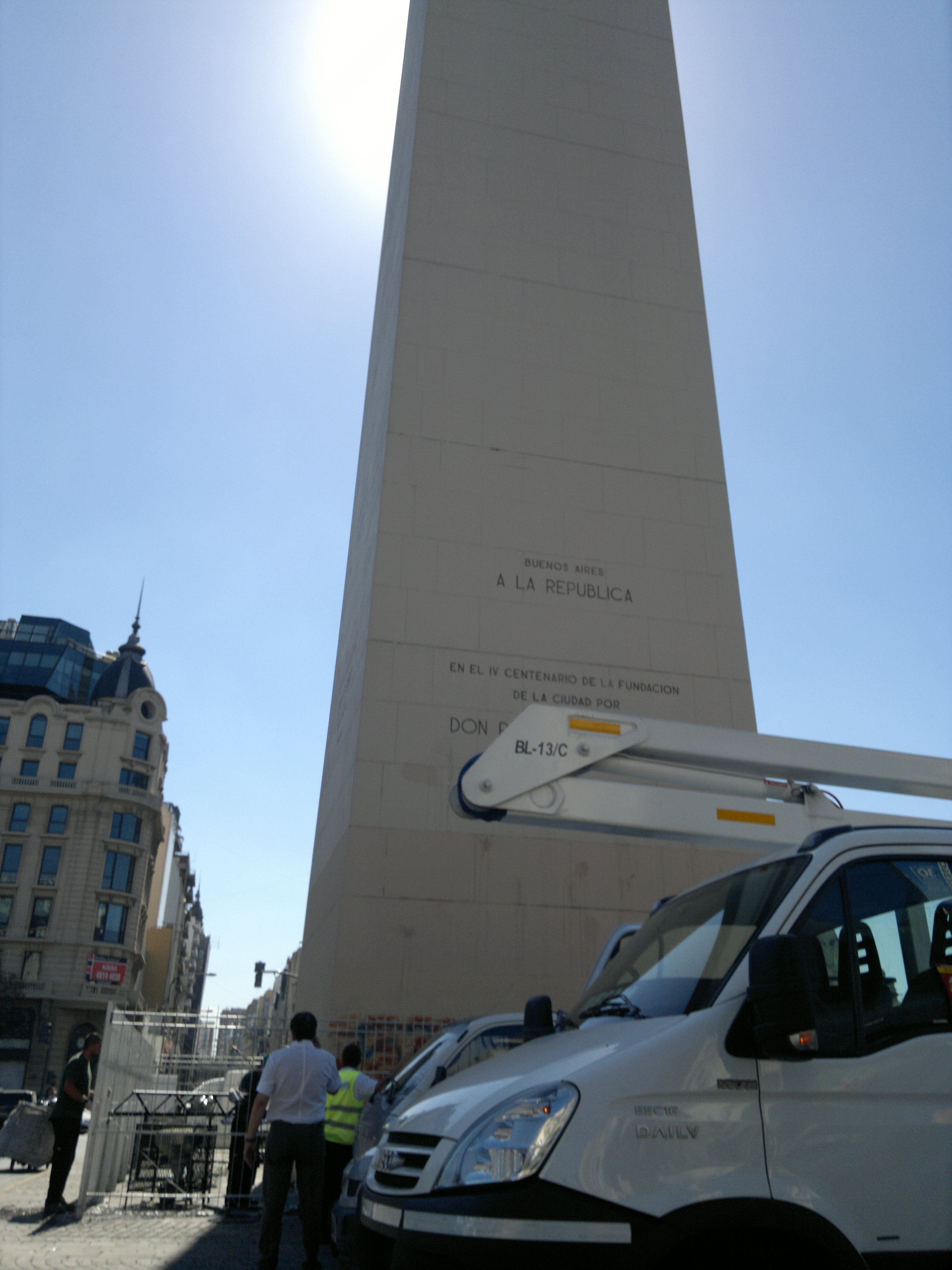
Located at the center of Buenos Aires’ most iconic urban landmark, this project focused on the full exterior restoration of the Obelisk — a national symbol exposed to heavy pollution, high foot traffic, and recurrent vandalism. Following a successful emergency cleanup of the base after a major graffiti incident, the proposal to clean and repaint the entire monument was approved by the City, marking the beginning of a large-scale heritage and public-space intervention.
THE CHALLENGE
This project presented a rare mix of operational and urban complexities:
• A national landmark exposed to constant smog, soot, and environmental staining.
• High visibility and continuous public circulation around the site.
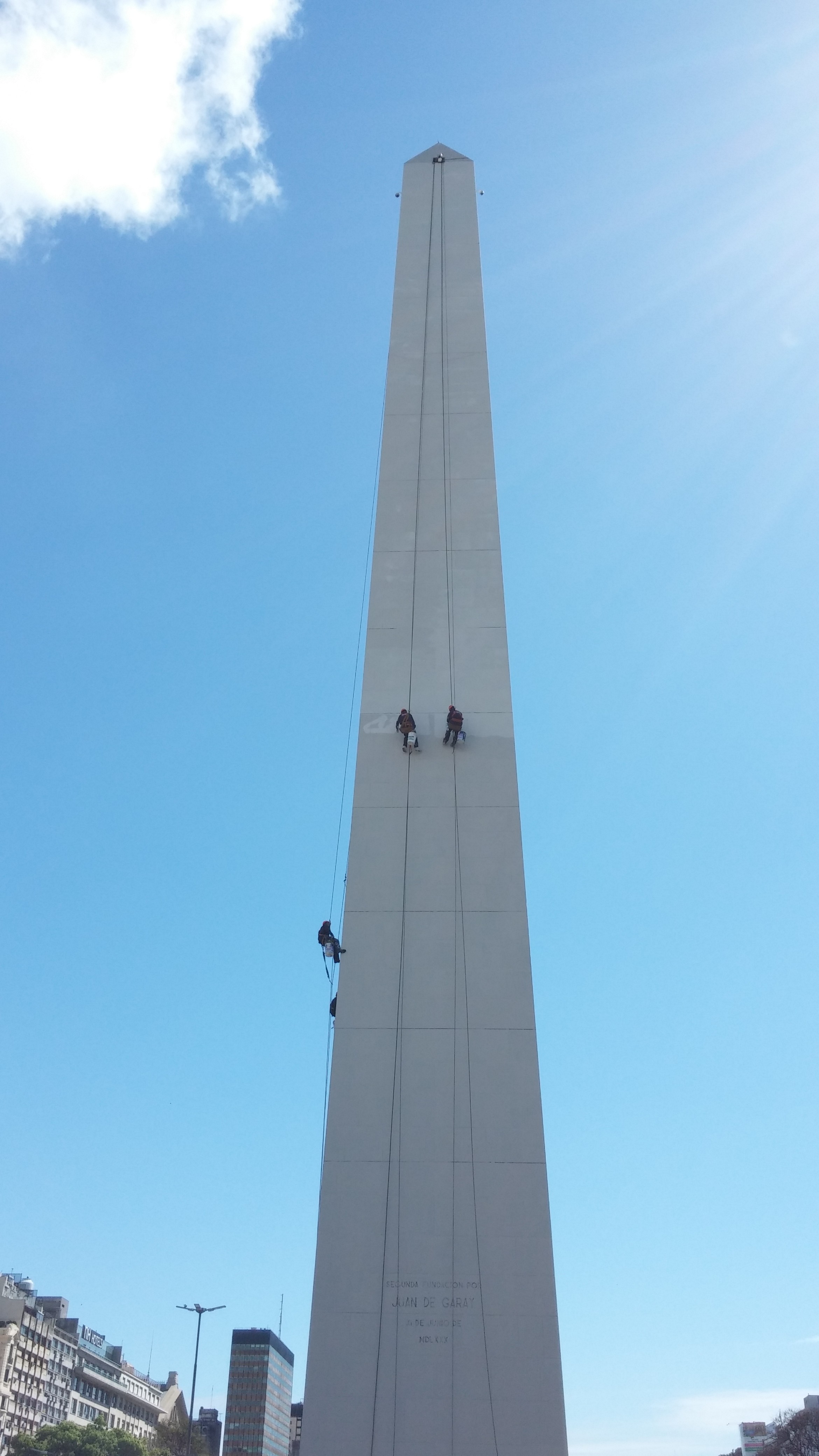
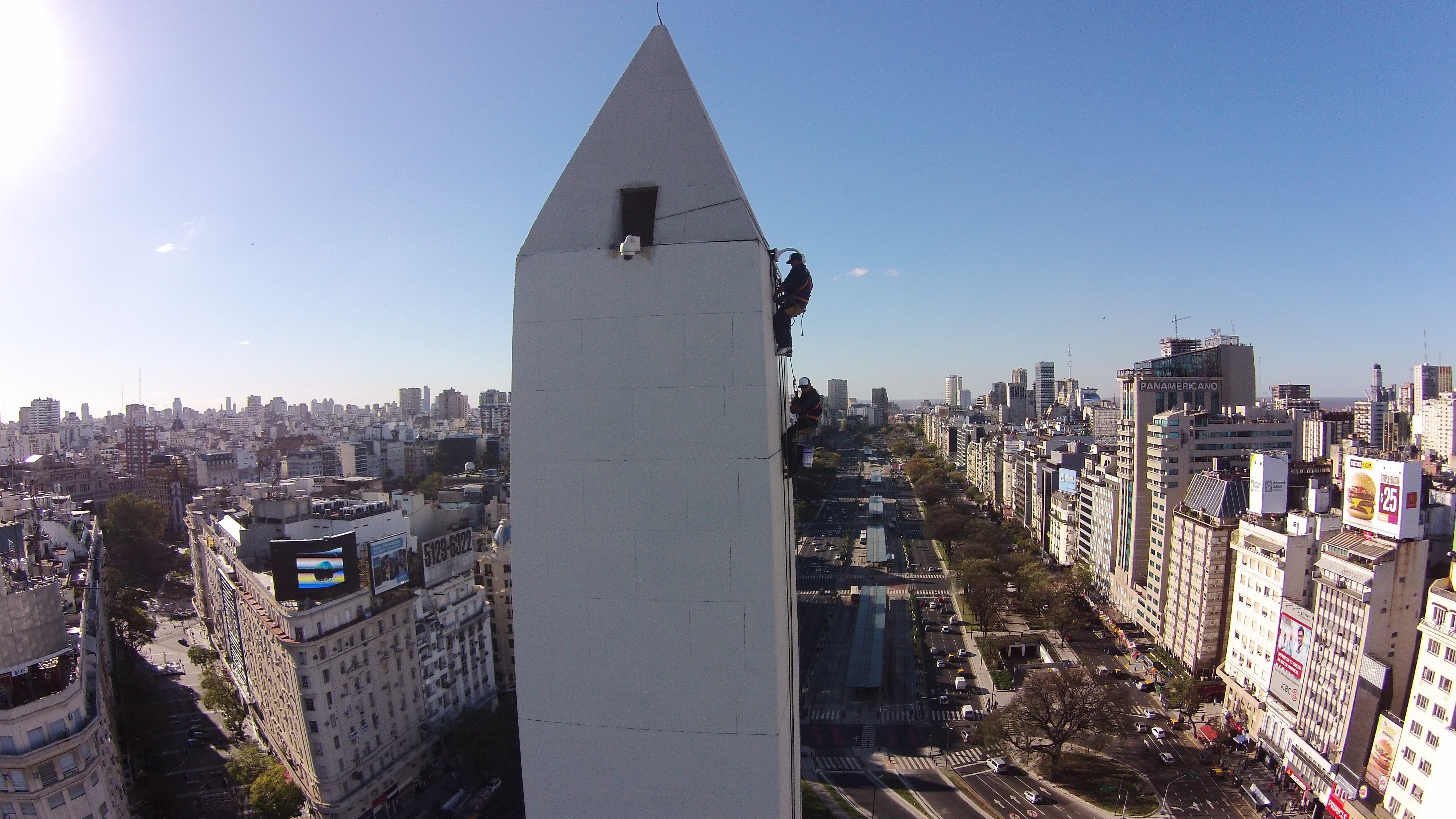
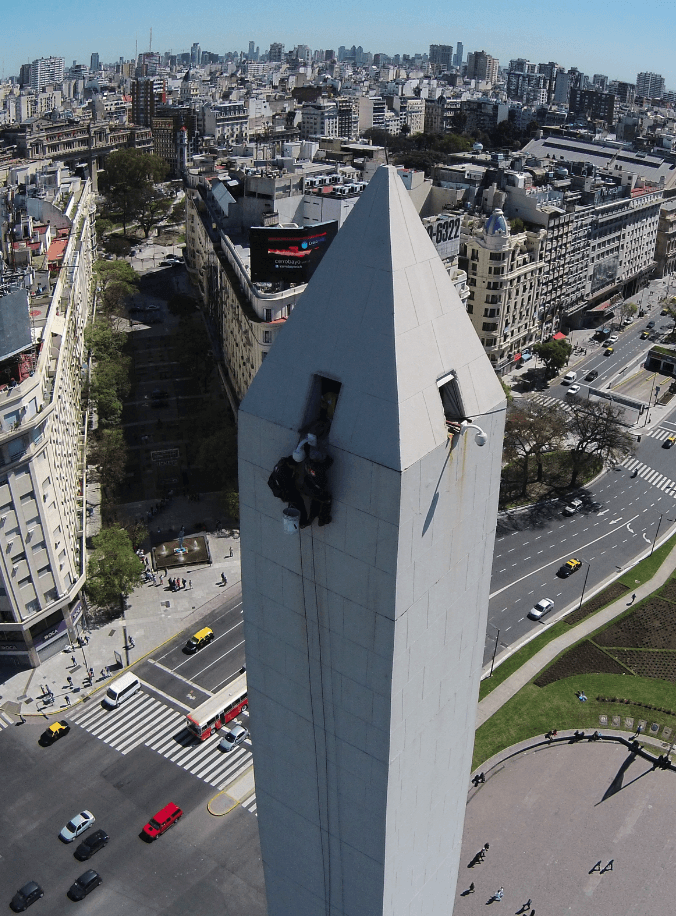
• Rope-access work required to reach upper surfaces safely and efficiently.
• Lack of an established color standard for the monument’s coating system.
• Need for technical documentation in areas inaccessible to architects and supervisors.
To succeed, the intervention required a coordinated approach capable of merging heritage awareness with modern inspection and restoration tools.
HOLSTEK’S ROLE: THE BRIDGE BETWEEN SYSTEMS
Holstek acted as the coordination lead, providing technical support, documentation, and on-site management for the Government of the City of Buenos Aires.
This hybrid role included:
Restoration Coordination
Assembling and managing a specialized high-altitude crew using rope-access systems comparable to those employed in Italian heritage work.
Technical Mediation
Establishing the first standardized color code for the Obelisk, creating a reference framework for all future conservation and maintenance.
Site Leadership & Visual Continuity
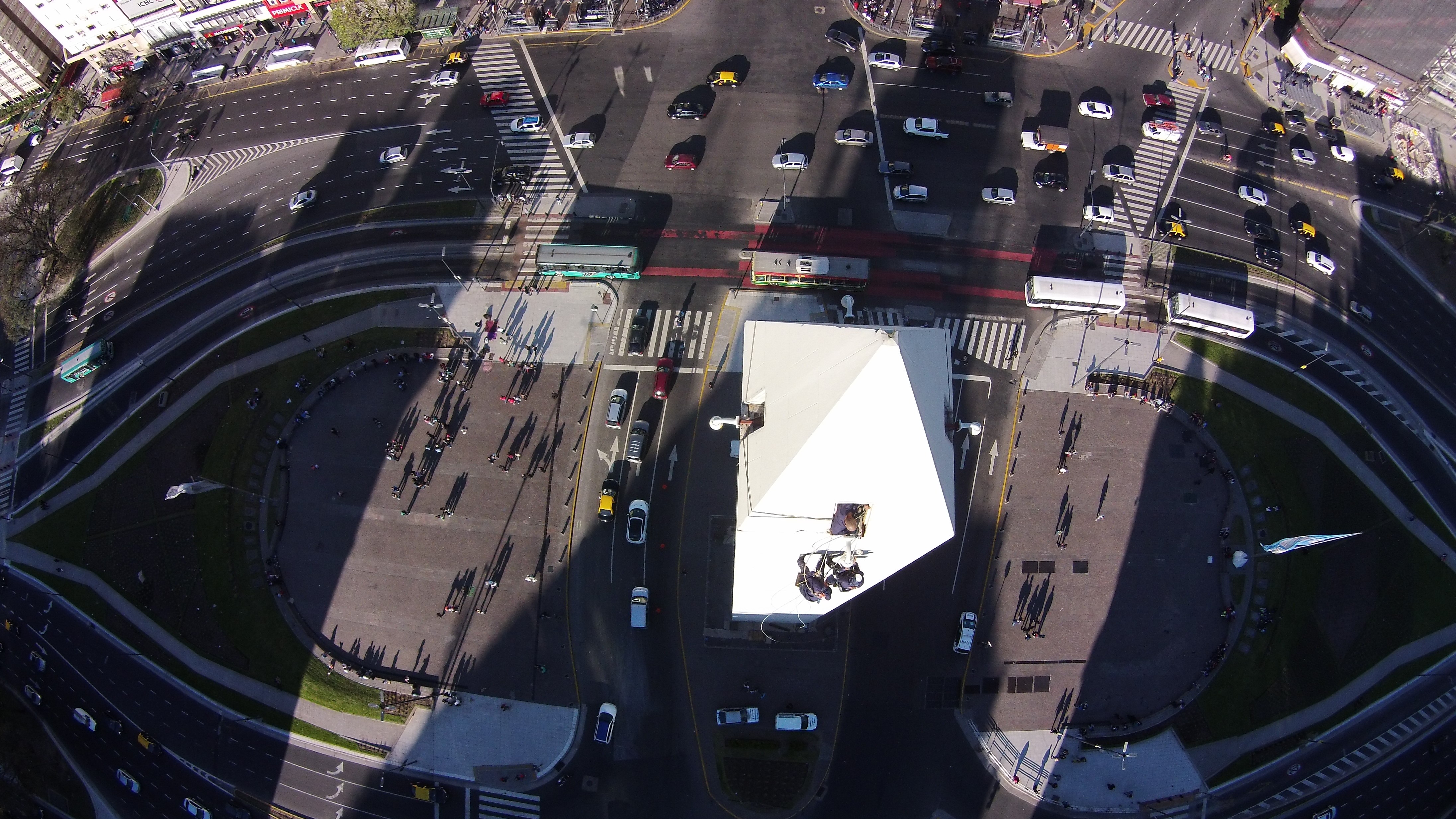
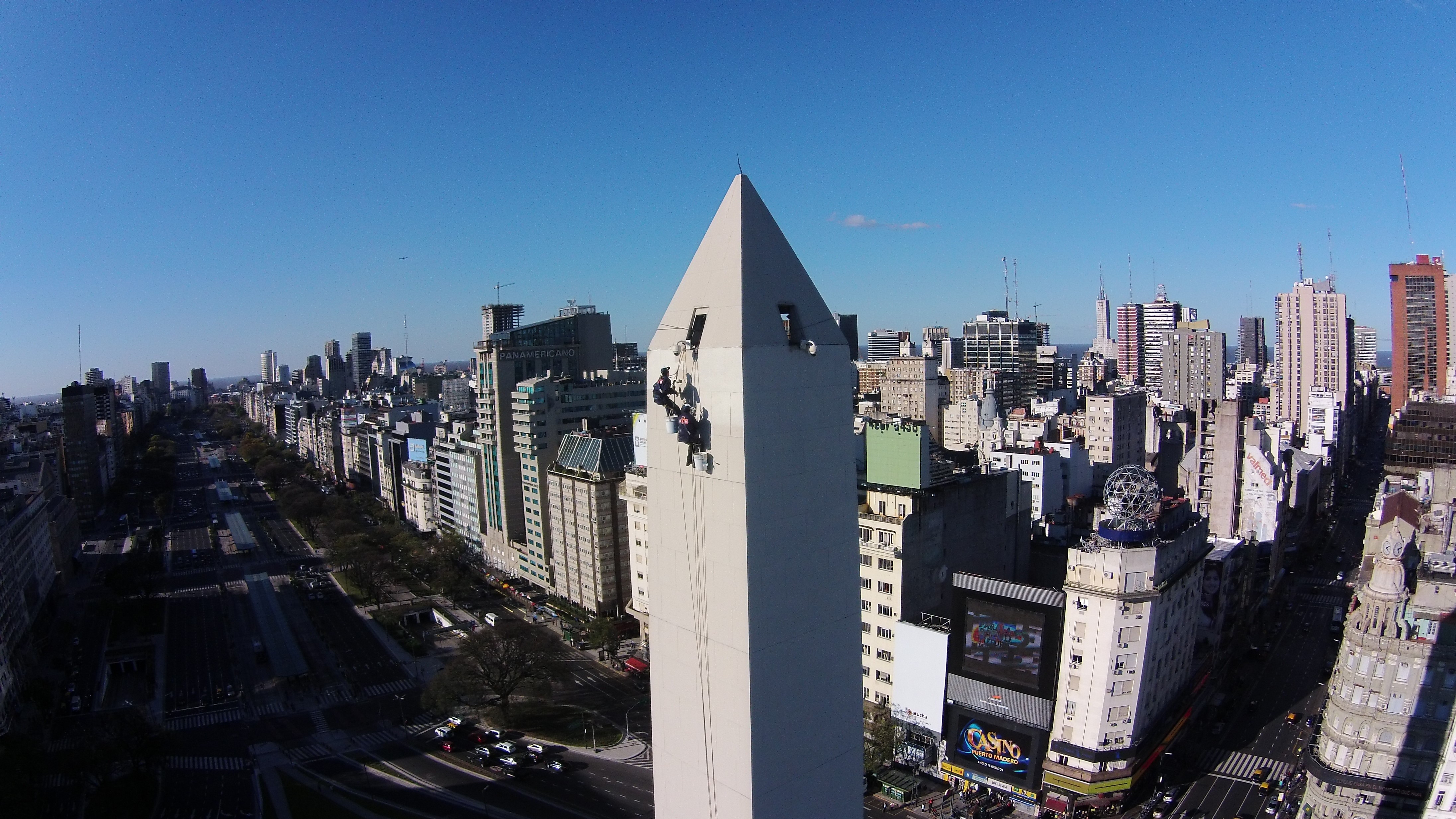
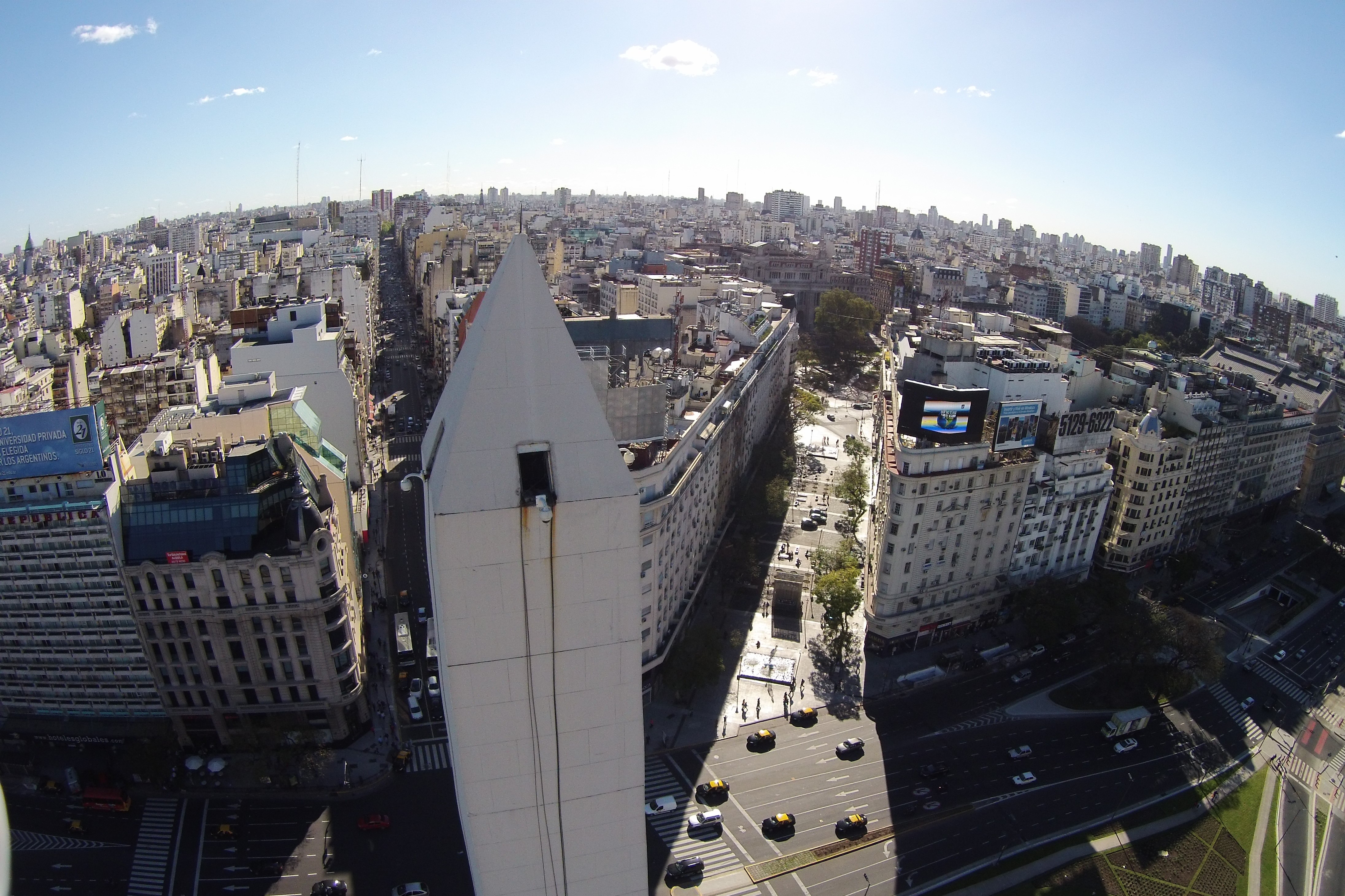
Deploying two drones and POV equipment to inspect surfaces, document progress, and allow technical teams to “see from height” without performing rope-access themselves — a significant innovation at the time.
Stakeholder Interface
Serving as the operational link between city authorities, contractors, and technicians, ensuring clarity, approvals, and unified execution throughout the process.
Holstek focused on harmonizing methods, safety standards, and documentation so the project could operate as one coherent system.
PROJECT OUTCOME
The intervention delivered a complete and uniform restoration of the Obelisk, including:
• Removal of graffiti, stains, and accumulated smog
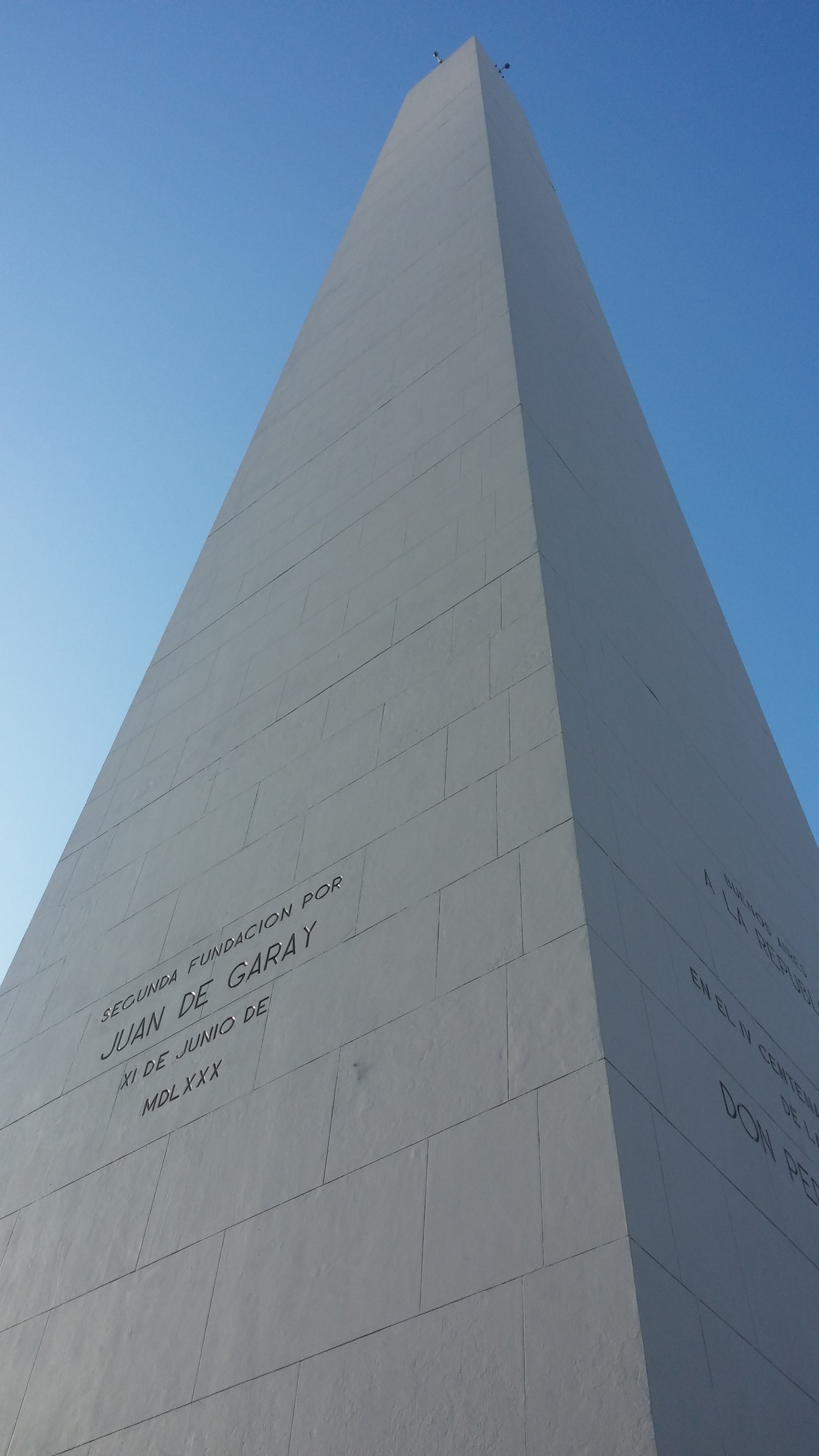
• Cleaning and repainting of all four façades
• High-altitude work using rope-access technicians
• Full drone-based inspection and documentation
• Establishment of a permanent color specification for future interventions
The result was a renewed and visually consistent national monument, executed with precise coordination and a pioneering use of aerial technology for public-space conservation.
WHY THIS PROJECT MATTERS
This project demonstrated how heritage-oriented maintenance can be strengthened through technology, specialized access methods, and clear coordination between public authorities and technical teams.
Holstek’s hybrid facilitation — blending documentation, innovation, and hands-on management — enabled the City of Buenos Aires to restore a national symbol with new technical standards that will guide future conservation efforts.